Buying a Bookshelf: What Actually Determines Whether It Sags
Shelf material and thickness matter more than brand name when it comes to long-term sagging.
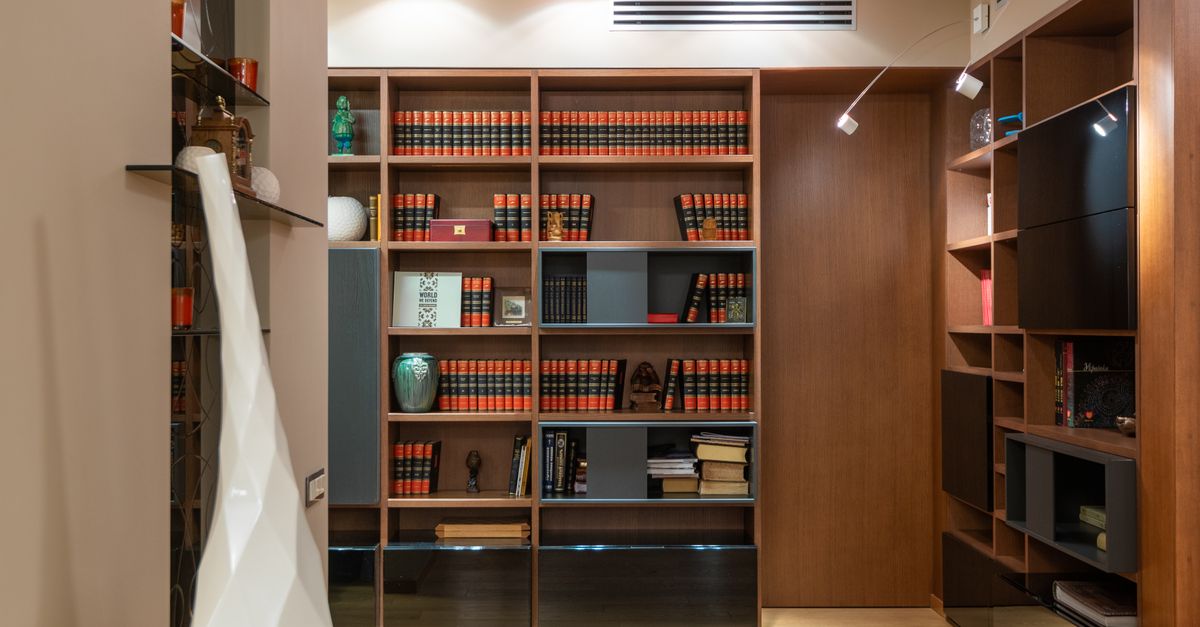
Almost every bookshelf complaint online comes down to one thing: sagging shelves after a year or two of loaded use. We looked at the specs across twelve popular bookshelves to find the pattern, and it isn't about brand reputation — it's shelf thickness and material. Shelves under three-quarters of an inch thick in particleboard sagged visibly within six months under a full load of hardcovers.
Solid wood and plywood shelves of the same thickness held flat far longer, even under heavier loads, because the grain structure resists bending in ways compressed particleboard cannot. The tradeoff is weight and price — solid wood bookshelves typically cost 40 to 70 percent more than comparable particleboard models.
Shelf span matters as much as thickness. A shelf that's fine at 24 inches wide can sag noticeably at 36 inches wide, even in the same material, because the unsupported distance between side panels increases the bending force. If you need wide shelves, look for a center support bracket or divider, which several mid-range options now include.
Our practical advice: check the listed shelf thickness before buying, aim for at least three-quarters of an inch in solid wood or one inch in particleboard, and avoid shelf spans over 30 inches without a center support. These three numbers predict sagging far better than price or customer ratings.